Clogged shower drains rank among the most common plumbing issues homeowners face. When your shower drain is clogged, it disrupts daily routines, causes unpleasant odors, and, if left untreated, can lead to costly repairs. Understanding how to prevent a shower drain clogged with hair, soap scum, or debris saves time, money, and hassle. This article provides practical and clear tips to keep your shower drains free-flowing and functioning properly. Each section includes introductory and concluding thoughts to guide you through effective prevention methods.
1. Use Hair Catchers to Prevent Blockages
Clogged shower drains often result from hair buildup, which is one of the most common and frustrating issues homeowners face.

When hair strands go down the drain, they quickly combine with soap residue, dirt, and oils. This mixture creates sticky clumps that reduce water flow and eventually block the drain entirely. Over time, the problem worsens and leads to slow drainage or standing water in the shower.
Fortunately, there’s a very practical solution — installing a hair catcher.
Why Do Hair Catchers Matter?
Hair catchers act as a barrier, trapping loose hairs before they enter the drain. They are available in various designs such as plastic strainers, silicone mats, and metal mesh screens. Each type is easy to install and simple to clean.
Types of Hair Catchers That Help Prevent Blockages
Choosing the right type of hair catcher depends on your drain style, usage habits, and maintenance preferences. Here are 5 important types of hair catches that you can use to prevent blockages:
| Hair Catcher Type | Pros | Cons |
|---|---|---|
| Plastic Strainer | Affordable and easy to clean | Can break with rough handling |
| Silicone Mat | Flexible and fits various drain shapes | May slip out of place without grip |
| Metal Mesh Screen | Durable and long-lasting | Slightly more expensive |
| Pop-Up Drain Protector | Built-in stopper function with hair catching | Can be harder to clean thoroughly |
| Disposable Hair Catcher | Hygienic and no cleaning required | Needs frequent replacement |
Using a hair catcher reduces hair accumulation inside pipes and greatly lowers clog risk. This simple step requires little effort but delivers significant results in preventing shower drain clogs.
How to Use Hair Catchers Properly?
Using a hair catcher correctly ensures it performs its job efficiently and lasts longer. While they are simple to use, following a few practical steps helps maintain cleanliness and reduce the chance of clogs.
- Positioning the Hair Catcher
Place the hair catcher directly over or inside the shower drain, depending on the design. It should sit flat and cover the entire drain opening without shifting during use. - Routine Cleaning
Remove trapped hair and debris from the catcher after every shower or at least two to three times a week. Rinse it under warm water and, if needed, use a mild brush to remove buildup. - Inspect for Damage
Check the catcher regularly for signs of wear or damage. A cracked or warped catcher won’t trap hair effectively. Replace it when it no longer fits properly or shows visible deterioration. - Use Compatible Catchers
Choose a hair catcher that fits your drain type. For example, a flat silicone mat may work well on standard drains, while a pop-up drain protector suits more specialized setups. - Avoid Chemical Contact
Keep the hair catcher away from strong cleaning chemicals, especially if it’s made of plastic or silicone. Harsh substances can weaken the material and reduce its lifespan.
Proper care and placement of a hair catcher ensure it works effectively, lasts longer, and helps keep your shower drain clear and clog-free.
Related blog: How to Increase Water Pressure in Home?
2. Regularly Remove Hair and Debris from Shower Drain Cover
Hair catchers are helpful, but they don’t catch everything. Stray strands, soap residue, and small debris can still settle around or beneath the drain cover. If left unchecked, this buildup can lead to blockages over time.
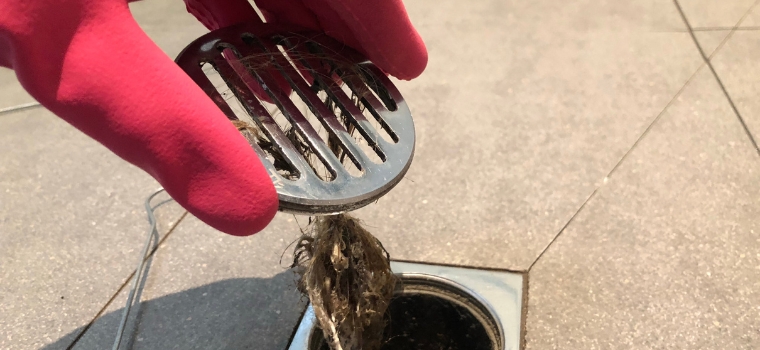
A simple cleaning habit goes a long way in keeping your shower drain efficient and clog-free.
Best Practices for Cleaning Shower Drain Covers
To prevent minor debris from turning into major issues, adopt a basic weekly routine. It doesn’t take long and makes a noticeable difference in how well your shower drains.
- Remove the drain cover once a week to check for trapped hair and buildup.
- Use tweezers or a plastic hook to gently pull out any tangled strands.
- Rinse the cover thoroughly using warm water and a mild cleaning detergent.
- Check the edges and inside of the drain opening for any residue or scum buildup.
Why Does Consistent Cleaning of Shower Drain Cover Matter?
Regularly cleaning the shower drain cover stops small hair clumps and debris from turning into serious blockages. It also eliminates odors caused by organic matter buildup and maintains proper drainage.
Step-by-Step Shower Drain Cover Cleaning Routine
| Step | Action |
|---|---|
| Step 1 | Remove the shower drain cover gently |
| Step 2 | Pull out hair and debris caught on the cover |
| Step 3 | Clean the cover with warm water and detergent |
| Step 4 | Replace the cover securely after drying |
Keeping shower drain covers free from hair and debris prevents gradual clog formation. This simple step supports effective drainage and reduces the chance of costly plumbing issues.
3. Avoid Pouring Oils, Heavy Soaps & Bath Products Down the Shower Drain
Certain bath products can contribute to shower drain clogs by leaving stubborn residues inside the pipes. Oils, heavy soaps, and thick lotions do not dissolve easily and tend to stick to pipe walls, leading to gradual blockages.
How Do Oils and Bath Products Cause Shower Drain Clogs?
Oils and bath products can create layers of buildup inside your pipes over time. For example:
- Oils tend to solidify and combine with soap scum, forming sticky, hard-to-remove layers.
- Thick soaps and creamy lotions coat the pipe walls, narrowing the flow path for water.
- This accumulation gradually restricts water flow and increases the risk of clogs.
Bath Products That Increase Shower Drain Blockage Risk
Some products are more likely to cause buildup and should be used with caution or avoided to protect your shower drain:
- Bath oils and mineral oils that do not dissolve in water
- Heavy moisturizing lotions applied during bathing
- Bar soaps with high-fat or greasy content
Tips to Reduce Residue Build-Up from Bath Products
To maintain clear shower drains, follow these practical steps when using bath products:

- Thoroughly Rinse Shower
Rinse the shower area thoroughly after applying oils or lotions to wash away excess residue. - Limit Heavy Soaps
Use heavy soaps sparingly to minimize buildup inside the pipes. - Choose Low-Residue Soaps
Switch to liquid or low-residue soaps designed for easy rinsing and less pipe buildup.
Minimizing the use of oily and heavy bath products helps prevent pipe buildup and reduces the risk of clogged shower drains. Taking simple precautions supports long-term drainage health and keeps water flowing smoothly.
You may also read: Ultimate Guide to Becoming a Professional Plumber
4. Flush the Shower Drain with Hot Water Weekly
Flushing your shower drain with hot water on a weekly basis plays an important role in preventing clogs. Hot water helps dissolve soap scum, oils, and other minor buildups that naturally accumulate inside the pipes. Regularly flushing the drain with hot water keeps water flowing smoothly and delays the formation of blockages.
Why Hot Water Helps Prevent Shower Drain Clogs?
Hot water works effectively because it:
- Melts and loosens sticky soap residues and oily deposits inside the drain
- Flushes away dissolved materials before they harden into stubborn clogs
- Supports routine drain maintenance by reducing buildup gradually
How to Flush Your Shower Drain with Hot Water?
Follow these simple steps to perform an effective hot water flush:
- Boil Water. Boil water using a kettle or on the stove until it reaches a high temperature
- Cool Slightly. Allow the water to cool slightly so it is hot but not boiling
- Pour Carefully. Carefully pour the hot water directly down the shower drain
- Repeat Weekly. Repeat this process once or twice each week for optimal results
Safety Tips for Hot Water Flushing
To avoid damage or injury, keep these precautions in mind:
- Do not pour boiling water immediately, as it may damage PVC pipes; let it cool for a minute or two
- Make sure the area around the drain is clear and dry to prevent accidental burns or slips
Flushing the shower drain with hot water weekly is a simple and affordable method to keep your pipes clear. This routine helps slow down residue buildup and reduces the chance of clogs, making it a key preventive step for maintaining a healthy shower drainage system.
5. Use Enzyme-Based Drain Cleaners Periodically
Enzyme-based drain cleaners are a safe and effective solution for maintaining clean shower drains without the harsh effects of chemical alternatives.

Unlike chemical cleaners, which can corrode pipes over time, enzyme-based options work naturally to break down organic waste.
How Do Enzyme Cleaners Work?
Enzymes target and break down organic matter such as hair, soap scum, and other debris that commonly cause clogs in shower drains.
- These biological agents digest buildup gradually, keeping water flowing smoothly.
- They help maintain the original condition of pipes without causing surface damage.
- Regular application reduces the chances of severe clogs forming over time.
Key Benefits of Enzyme-Based Cleaners
These products provide several advantages for long-term shower drain maintenance:
- Household-Safe Formula
Non-toxic and safe for households, including homes with children and pets. - Plumbing System Compatibility
Suitable for all types of residential plumbing systems. - Eco-Friendly Solution
Environmentally friendly and biodegradable, reducing impact on water treatment systems. - Protects Pipe Integrity
Reduce the need for harsh chemical treatments, extending pipe life.
Comparison Table: Product Features and Benefits
| Product Feature | Benefit | Recommended Usage |
|---|---|---|
| Enzyme-based formulas | Gently dissolves buildup | Monthly or bimonthly |
| Non-corrosive | Safe for all pipe materials | As per manufacturer guide |
| Biodegradable | Environmentally safe option | Regular maintenance use |
Adding enzyme-based drain cleaners to your regular cleaning routine helps manage organic buildup in a safe, natural way. These products not only protect your pipes but also extend the functional life of your shower drain system. With consistent use, they significantly reduce the risk of clogs, making them a practical choice for homeowners focused on long-term maintenance.
6. Avoid Flushing Foreign Objects Down the Shower Drain
Besides hair and soap, foreign objects such as small toys, jewelry, or washcloth fibers can accidentally enter shower drains, causing or worsening clogs.
Common Foreign Objects Found in Shower Drains
- Small rubber or plastic toys (especially in family homes)
- Jewelry like rings or earrings
- Cotton fibers from washcloths or bath sponges
- Excessive amounts of exfoliating beads
How to Prevent This Issue?
- Use drain covers that can trap small objects.
- Keep an eye on items used during showering, especially for children.
- Educate family members to avoid dropping objects into the drain.
What to Do If an Object Falls into the Drain?
- Try to retrieve it immediately using tweezers or drain tools.
- Avoid flushing water excessively until retrieval.
- Call a plumber if retrieval attempts fail.
Preventing foreign objects from entering shower drains minimizes unexpected clogs and potential plumbing damage.
7. Maintain Proper Drain Slope and Ventilation
Proper slope and ventilation help water flow freely through pipes, reducing clog risks. While this may require professional assessment, knowing its importance supports preventive maintenance.
Why Slope and Ventilation Matter?
- Correct pipe slope ensures water moves at an adequate speed to carry debris.
- Ventilation prevents airlocks that slow drainage and increase clog risk.
- Poor slope or ventilation can lead to repeated blockages.
Signs of Poor Slope or Ventilation
- Water pools around the drain after showering.
- Slow drainage despite regular cleaning.
- Gurgling sounds from drains or toilets.
Recommended Actions
- Hire a licensed plumber to inspect and adjust plumbing as needed.
- Address any plumbing issues promptly to prevent recurring clogs.
Final Thought
Preventing shower drain clogs requires consistent attention and simple maintenance steps. Using hair catchers, cleaning drain covers regularly, avoiding heavy oils and soaps, flushing with hot water, and using enzyme cleaners all contribute to clear and efficient drains. Additionally, preventing foreign objects from entering the drain and ensuring proper plumbing slope and ventilation further reduce clog risks.
Following these tips diligently, you will maintain a smooth draining shower, avoid unpleasant blockages, and protect your plumbing system from damage. Simple, regular care goes a long way in saving time, money, and inconvenience associated with clogged shower drains.