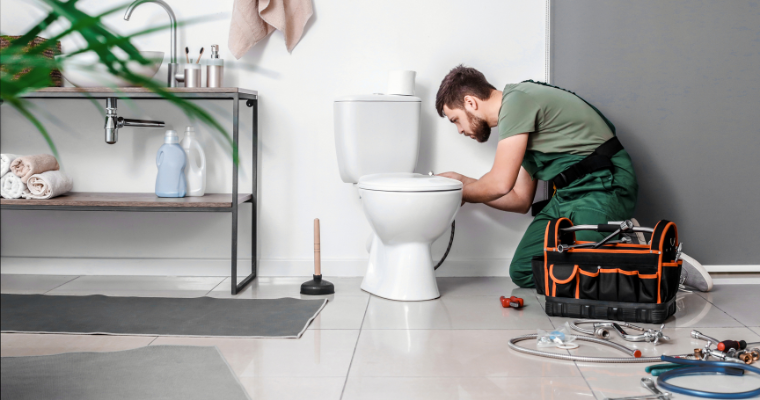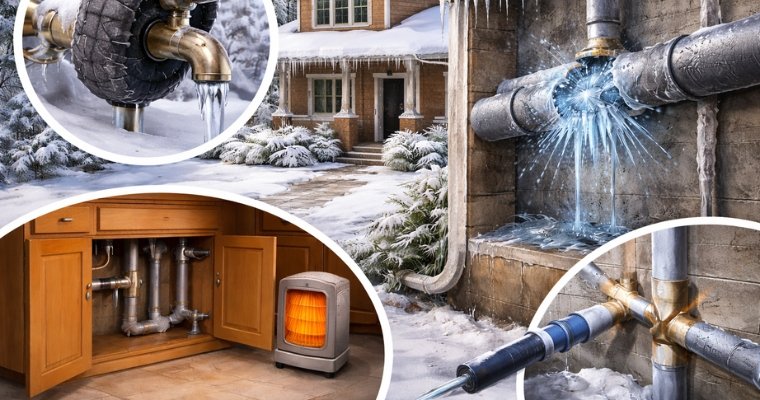
Knowing how to avoid pipe freezing in winter can save you from expensive repairs, water damage, and unnecessary stress. When temperatures drop, water inside pipes can freeze, expand, and put pressure on the pipe walls. This pressure often leads to cracks or even burst pipes, which can disrupt your daily routine and damage your property.
Many homeowners only think about frozen pipes after a problem occurs. A better approach focuses on prevention. With the right steps, you can protect your plumbing system even during extreme cold conditions.
This guide explains everything you need to know about avoiding pipe freezing in winter, using practical methods that are easy to follow and effective.
Why Do Pipes Freeze in Winter?
Pipes freeze when temperatures fall below 32°F (0°C), causing the water inside them to turn into ice and expand. This expansion creates internal pressure, which can weaken the pipe structure and lead to cracks or bursts.
Pipes placed in cold or unprotected areas face a higher risk, especially when water remains still for long periods. Limited insulation and direct exposure to cold air increase the chances of freezing during winter.
You may also read: How to Fix a Well Pump
6 Causes of Frozen Pipes You Should Know
Several factors increase the chances of pipes freezing during winter. Understanding these common causes helps you identify weak points in your plumbing system and take the right preventive steps before temperatures drop further.
| Cause | Risk Level | What Happens in This Situation | How It Increases Freezing Risk |
|---|---|---|---|
| Poor insulation | High | Pipes lose heat quickly | Temperature drops faster inside the pipe |
| Exposure to outdoor air | High | Pipes stay in direct contact with cold air | Continuous cold exposure leads to freezing |
| Sudden temperature drops | Medium | Rapid weather change shocks the pipe system | Pipes don’t get time to adjust |
| Closed indoor spaces | Medium | Warm air cannot reach pipes inside cabinets or walls | Cold air remains trapped around pipes |
| Unused plumbing lines | High | Water stays still inside pipes | Still water freezes much faster |
| Gaps and air leaks | High | Cold air enters through small openings | Surrounding temperature drops near pipes |
Each of these causes directly increases the chances of pipe freezing. When you identify these risks early and fix them, you reduce the chances of damage and keep your plumbing system safe during winter.
You may also read: Tips to Prevent Clogged Drains in Showers
6 Proven Ways to Avoid Pipe Freezing in Winter
Preventing pipe freezing works best when you fix the exact risks discussed earlier, such as heat loss, cold air exposure, and still water inside pipes. Each method below targets a specific cause and gives you clear steps to protect your plumbing system during winter.
1. Insulate Exposed Pipes Properly
Insulation reduces heat loss and protects pipes from direct exposure to cold air. This method works best for pipes located in basements, attics, garages, crawl spaces, and exterior walls.
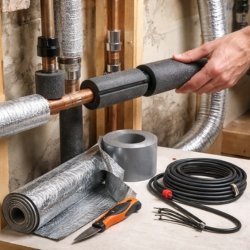
Use foam pipe sleeves, fiberglass wraps, or heat tape depending on how cold the area gets. Make sure insulation covers the entire pipe without leaving gaps. Even small uncovered sections can reduce effectiveness. Pay close attention to joints and bends, as these areas lose heat faster.
Practical Tips to Insulate Pipes Effectively:
- Measure pipes before buying insulation to ensure a tight fit
- Cover joints, elbows, and corners properly
- Use heat tape for areas with extreme cold exposure
- Inspect insulation before winter and replace worn-out sections
Proper insulation keeps pipe temperature stable and reduces the chances of freezing.
2. Keep Water Flowing (Drip Faucets)
Allowing water to move helps prevent freezing caused by stagnant water. Even a slow drip can reduce pressure buildup and delay ice formation inside pipes.
Focus on faucets connected to pipes that run along exterior walls or unheated spaces. This method becomes important during extreme cold conditions when freezing risk increases.
When and How to Let Faucets Drip:
- Let faucets drip slightly during freezing nights
- Choose faucets connected to vulnerable pipes
- Avoid running too much water; a slow drip works best
- Use this method only when temperatures stay below freezing
A controlled water flow reduces the chances of ice formation and pipe damage.
3. Maintain a Consistent Indoor Temperature
Stable indoor temperature protects pipes from sudden drops that can lead to freezing. This step becomes important for areas that do not receive regular heating.
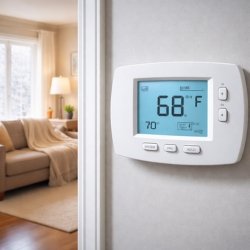
Keep your thermostat set to at least 55°F (13°C), even when you are away. Avoid turning off the heating system completely, as this increases the risk of freezing inside walls and hidden spaces.
Best Ways to Maintain Indoor Temperature:
- Use a programmable thermostat to control temperature levels
- Keep interior doors open to allow heat circulation
- Avoid sudden temperature changes during day and night
- Ensure all rooms receive some level of heating
Consistency in temperature helps maintain a safe environment for your pipes.
4. Seal Gaps and Cracks Around Pipes
Cold air entering through small gaps can quickly lower the temperature around pipes. Sealing these openings helps block direct exposure to freezing air.
Check areas where pipes pass through walls, ceilings, or floors. Look for openings near windows, doors, and foundations. Use caulk or foam sealants to close these gaps and prevent cold air from reaching the pipes.
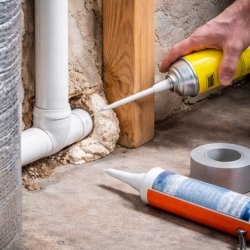
Steps to Seal Gaps and Block Cold Air:
- Inspect visible pipe entry points for cracks or openings
- Use caulk for small gaps and foam for larger spaces
- Seal areas around windows and doors near pipes
- Recheck sealed areas before peak winter
Blocking air leaks improves insulation and reduces freezing risk.
5. Open Cabinets and Allow Warm Air Circulation
Pipes inside cabinets or enclosed spaces often freeze due to lack of warm air circulation. Opening these spaces allows heat to reach the pipes.
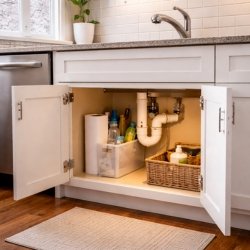
Focus on kitchen and bathroom cabinets, especially those placed against exterior walls. Letting warm air flow into these areas helps maintain a balanced temperature around the pipes.
Simple Ways to Improve Air Circulation Around Pipes:
- Keep cabinet doors open during cold nights
- Remove items that block airflow near pipes
- Allow heat from the room to reach enclosed areas
- Combine this method with steady indoor heating
Better airflow reduces cold spots and supports overall pipe protection.
6. Disconnect Outdoor Hoses and Drain Water Lines
Outdoor pipes face direct exposure to freezing temperatures, which increases the risk of damage. Water left inside these lines can freeze quickly and create pressure.
Disconnect all garden hoses and drain outdoor faucets before winter begins. Shut off the outdoor water supply if your system allows it. Use insulated covers to protect exposed fixtures.
Steps to Protect Outdoor Plumbing in Winter:
- Remove and store garden hoses
- Drain water from outdoor faucets and sprinkler systems
- Shut off exterior water valves
- Install insulated covers on outdoor taps
Taking these steps prevents freezing in outdoor pipes and protects indoor connections as well.
Each of these methods targets a specific cause of pipe freezing. When you apply them together, you create a strong prevention system that keeps your plumbing safe and reduces the chances of winter damage.
You may also know: How to Increase Water Pressure in Home?
Early Signs Your Pipes May Be Freezing
Spotting early warning signs helps you take quick action before pipes freeze completely or burst. These signs often appear gradually, so paying attention can prevent serious damage and costly repairs.
- Reduced Water Flow: A sudden drop in water pressure often indicates that ice has started forming inside the pipe. This partial blockage restricts water movement and usually appears in faucets connected to exposed or colder areas. If you notice this issue, check nearby pipes immediately and take preventive action.
- Unusual Pipe Noises: Sounds like banging, whistling, or gurgling can signal trouble inside your pipes. These noises occur when ice disrupts normal water flow or creates pressure changes within the pipe. Ignoring these sounds can lead to further blockage or pipe damage.
- Frost on Pipes: Visible frost on exposed pipes is a clear sign that temperatures around them have dropped to freezing levels. This surface-level freezing often appears before internal freezing begins. Adding insulation or warming the area at this stage can prevent the situation from getting worse.
- Bulging Pipe Sections: A pipe that looks swollen or slightly expanded indicates pressure buildup caused by ice inside. This is a serious warning sign, as the pipe may burst if pressure continues to increase. Immediate action is necessary to reduce risk and prevent damage.
- Extremely Cold Surfaces: Pipes that feel unusually cold to the touch may be close to freezing, even if ice has not formed yet. This condition often appears in poorly insulated or exposed areas. Warming the space and improving insulation can help prevent freezing at this stage.
Taking action as soon as you notice these signs can protect your plumbing system and reduce the chances of major repairs during winter.
Do vs Don’t When Pipes Start Freezing in Winter
Handling frozen pipes the right way can prevent serious damage, while small mistakes can make the situation worse. The table below highlights what you should do and what you should avoid during this situation.
| Do | Don’t |
|---|---|
| Open the faucet to relieve pressure | Keep the faucet closed |
| Use controlled heat (hair dryer, towels) | Use open flames or blowtorches |
| Start heating near the faucet | Heat a sealed section without outlet |
| Check pipes for cracks during thawing | Ignore visible damage |
| Act quickly when signs appear | Wait for the pipe to thaw on its own |
| Call a plumber if needed | Delay professional help in serious cases |
Following these simple do’s and don’ts helps you manage freezing pipes safely and reduces the chances of costly repairs.
6 Common Mistakes to Avoid During Winter
Avoiding simple mistakes can make a big difference in preventing pipe freezing. Many issues happen due to small oversights that increase exposure to cold conditions.
- Ignoring Small Leaks. Leaks allow water to collect and freeze faster, which increases pressure inside pipes. Fix them before winter to reduce risk.
- Turning Off Heating Completely. Shutting off heating exposes pipes to extreme cold. Always maintain a minimum indoor temperature, even when you are away.
- Skipping Pipe Insulation. Uninsulated pipes lose heat quickly and freeze easily. Insulating all exposed and rarely used pipes helps prevent this.
- Keeping Cabinets Closed. Closed cabinets block warm air from reaching pipes. Opening them improves airflow and reduces freezing risk.
- Leaving Outdoor Hoses Connected. Water trapped in hoses can freeze and damage connected pipes. Disconnect and drain them before winter.
- Using Unsafe Heating Methods. Open flames or high heat can damage pipes and create hazards. Always use safe, controlled heating methods.
Avoiding these mistakes helps you protect your pipes and maintain a reliable plumbing system during winter.
You may also explore: Ultimate Guide to Becoming a Professional Plumber
FAQs About Pipe Freezing in Winter
Pipes can begin freezing when temperatures drop below 32°F (0°C), especially if exposed to cold air.
Yes, during extremely cold weather, a slow drip helps prevent freezing.
Pipes in unheated areas such as basements, attics, garages, and exterior walls freeze first.
Insulation reduces risk significantly but works best when combined with other preventive methods.
Pipes can freeze within a few hours under extreme cold conditions, especially without insulation.
Turning off the main supply can help in some cases, but you must fully drain the pipes to prevent freezing.
Yes, hot water pipes can freeze if they are exposed to cold air and lack proper insulation.
Yes, pipes in poorly insulated or hidden areas can still freeze if they do not receive enough heat.
Final Thought
Avoiding pipe freezing in winter helps prevent serious damage before it starts. Simple steps like insulating pipes, maintaining a steady indoor temperature, and allowing water to flow can reduce risks significantly. A proactive approach works better than handling emergencies later. When you apply these methods consistently, you protect your home, avoid costly repairs, and keep your plumbing system safe throughout winter.